
02.07.2026
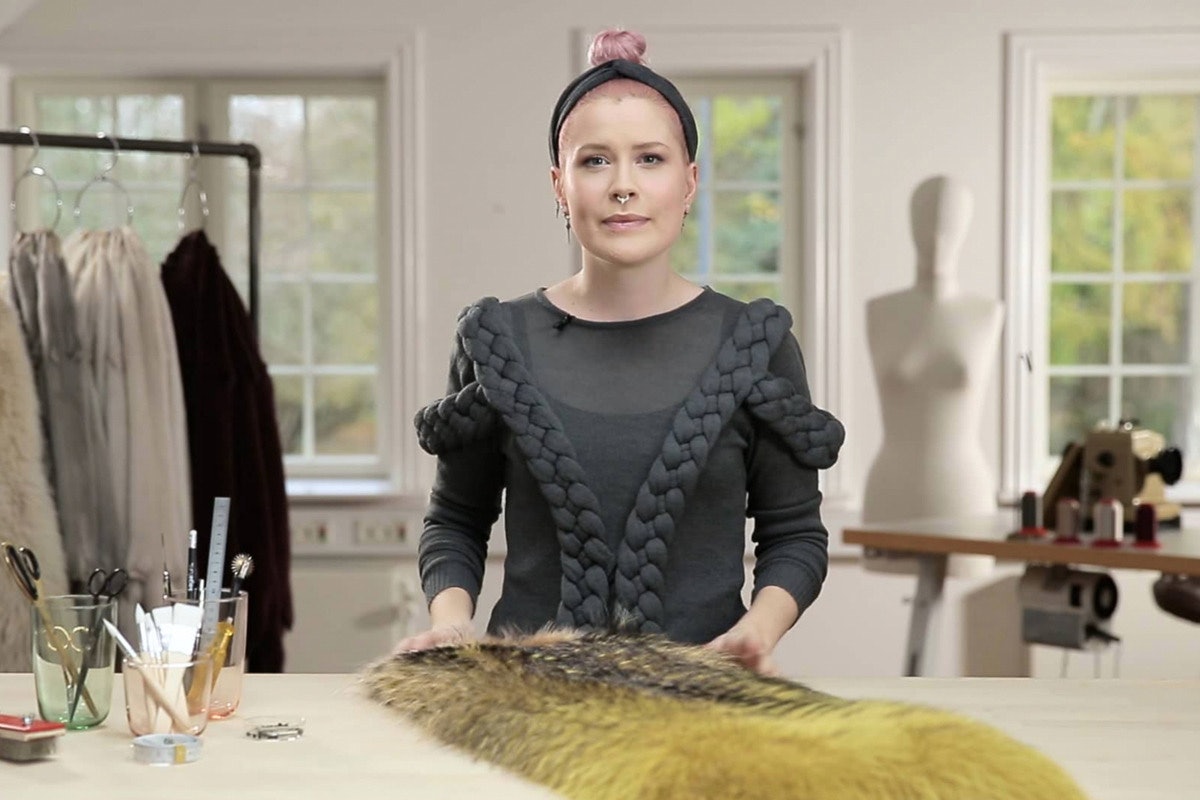
When a professor from a prestigious New York fashion school introduced Indian designer Neha Chawla to Saga Furs Creative Hub, little did she know this connection would redefine her understanding of luxury materials forever. Based in Mumbai and founder of sustainable fashion brand The Whole Nine Yards, Chawla arrived at Saga Furs with cautious curiosity just before the June auction. Never having worked with fur before, she confessed she could barely distinguish real material from fake when viewing samples or photographs. Three days later, everything had changed.
First Impressions: beyond expectations
“Lots of things were unexpected,” Chawla reflects. “It was very interesting to learn about the different products and their different features.”
The experience proved far richer than anticipated. From production techniques to creative applications, every corner revealed details she hadn’t considered essential until now. The Creative Hub offered more than education – it opened doors to a world where craftsmanship meets conscious creation.
Learning through touch
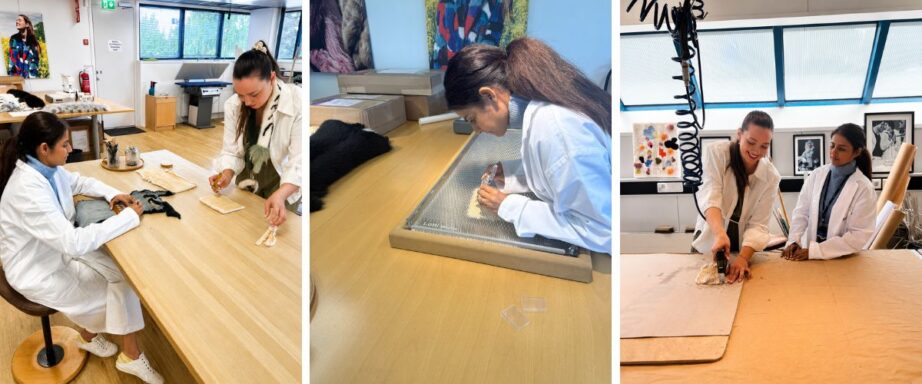
One revelation stood out among all others. Seeing skins in person versus working with digital representations transformed her confidence entirely.
“Now instead I feel more confident and more knowledgeable when using and seeing the material,” she explains.
Her particular favorite? The Brown Mink natural type – a material whose versatility sparked fresh creative possibilities for upcoming collections. “I want to use fur in innovative ways thanks to its creativity and versatility, even as a detail to highlight my collection.”
Craftsmanship that speaks louder
Chawla’s design philosophy centers on three pillars: sustainability, craftsmanship, and slow fashion principles. For someone who believes real luxury comes from the way it’s made, the backside of fur samples captivated her most – where artisanal skill reveals itself most honestly.
“I was attracted by the backside of the samples because I like when you can really see the craftsmanship behind the piece,” she notes. This attention to technical detail aligns perfectly with her commitment to honoring artisanal heritage while innovating responsibly.
Sustainability is no longer optional
For the new generation of consumers, transparency isn’t negotiable – and Chawla leads with that understanding.
“For me, sustainability is a key aspect of my job and in general fashion. The new generations are extremely aware of the materials sourcing, so it is something they need and require from a brand in order to be loyal.”
She identifies two crucial indicators of truly sustainable products: longevity and biodegradability. Sustainably produced certified fur from Saga Furs resonates with these values, providing longevity through timeless quality combined with responsibility and traceability.
Innovation opportunities abound
When asked about the sector’s future potential, Chawla saw unlimited pathways forward.
“I see its versatility and the multiple opportunities to work with it – the driving force behind the innovation and development of fur.”
This forward-thinking perspective bridges traditional craftsmanship with contemporary design needs a balance central to Saga Furs’ mission at Creative Hub.
Bringing knowledge home
As the experience concluded, one question remained: what single insight would she carry back to her Mumbai team?
“I will bring back home the warmth and knowledge I have experienced visiting Saga Furs,” Chawla shares. “It is impossible to define the whole experience in only one word because each step of the process had so much to learn and keep for my future work.”
Yet one truth emerged clearly: “I am very confident that the reason why Saga Furs has such a long-lasting history is thanks to all the knowledge that has been carefully protected and passed down.”
Looking ahead
Chawla’s journey represents more than a single designer discovering a new material. It embodies how emerging creatives increasingly seek transparency, sustainability, and genuine craftsmanship in their choices. At Saga Furs Creative Hub, designers worldwide gain exactly what Chawla described – collaborative spirit, knowledge, and respect for centuries-old traditions evolving into tomorrow’s innovations.
Some facts about India´s potential for luxury fashion:
- Luxury fashion market: $9.85 billion (2025) → $15+ billion by 2034
- Premium segment growing at 45% CAGR (Deloitte India)
- Wedding economy: 450,000+ peak-season marriages drive luxury demand
- Affluent population projected to reach 100 million people